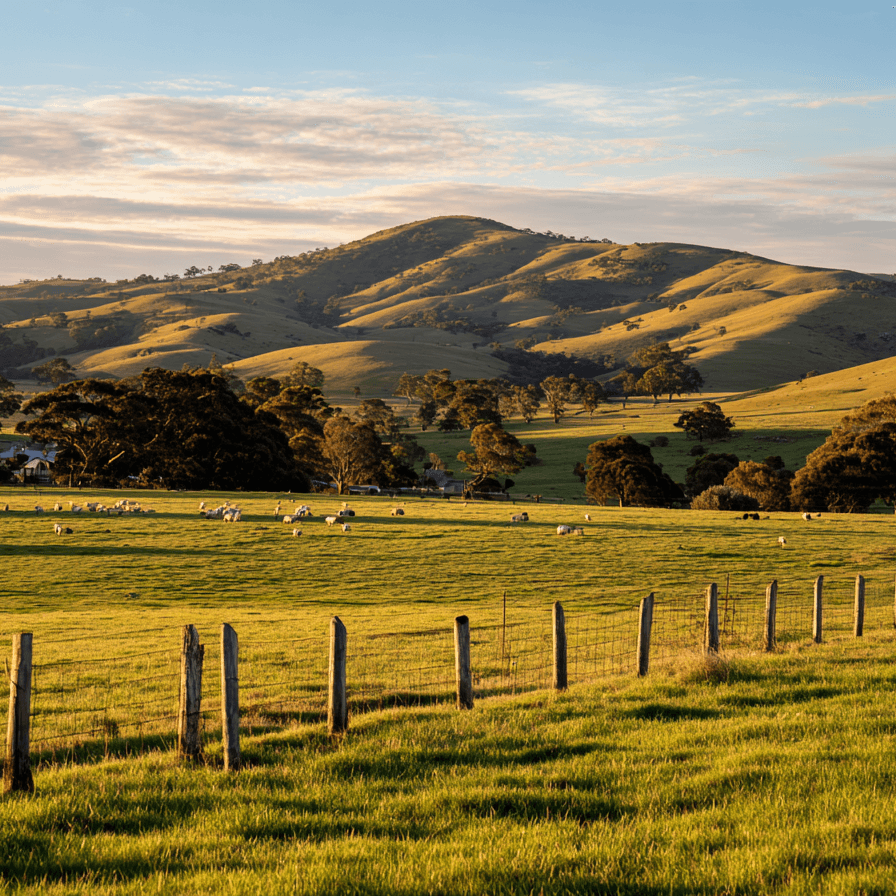
If you’ve got a rural block in Victoria — Gippsland, Central VIC, the High Country, or anywhere with good rainfall — you already know how fast things get out of hand.
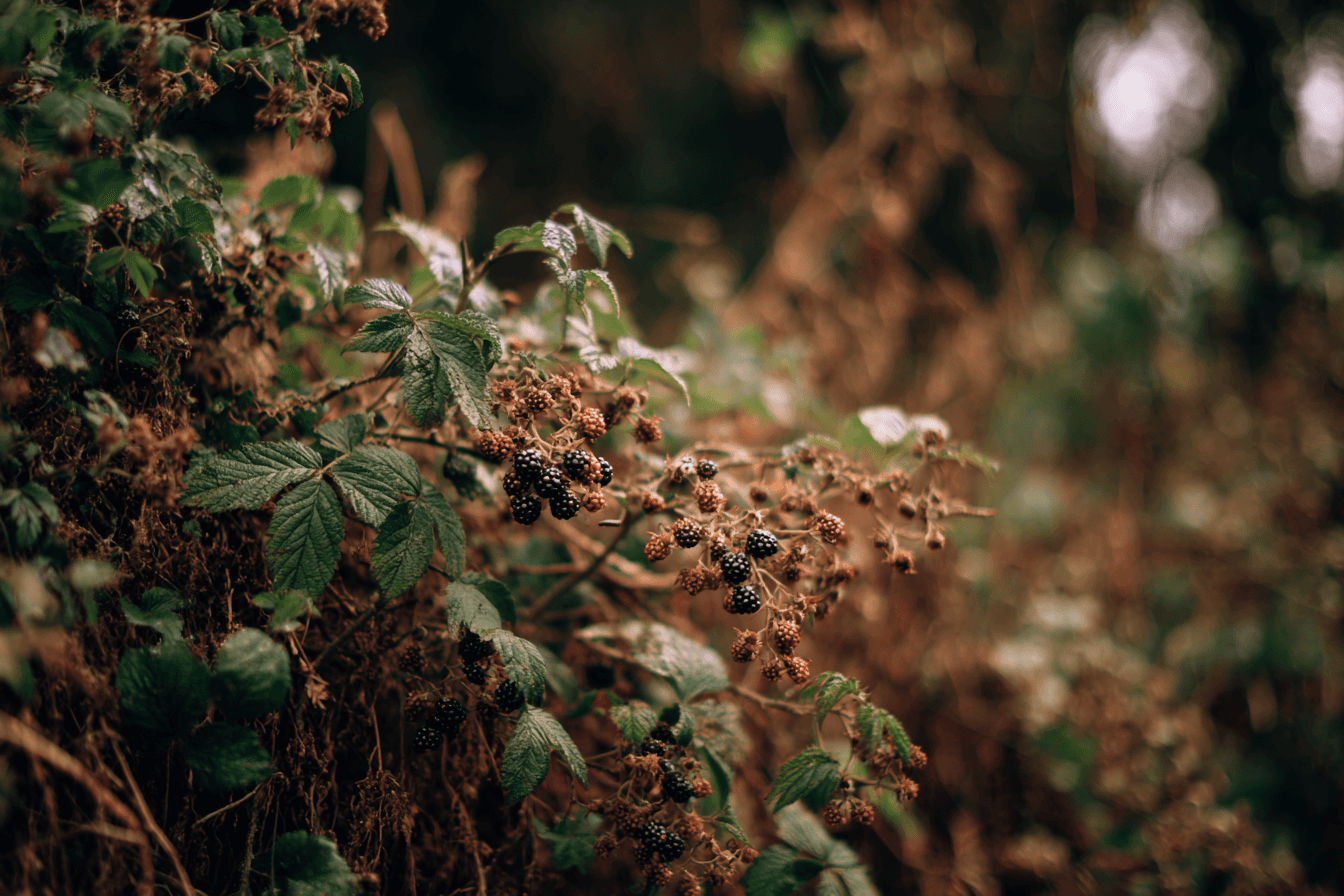
Blackberries explode, tea-tree sneaks back in, gorse pops up overnight, and bracken takes over every corner you’re not watching.
Spraying helps a bit. Dozers make a mess.
But forestry mulching is the one method that actually knocks the problem down and keeps it manageable long-term.
Here’s why.
The biggest problem plants on Victorian rural properties
Blackberries
Everyone’s favourite enemy. They grow fast, climb everything, hide snakes, and take over entire gullies. Once mature, they’re almost impossible to remove by hand.
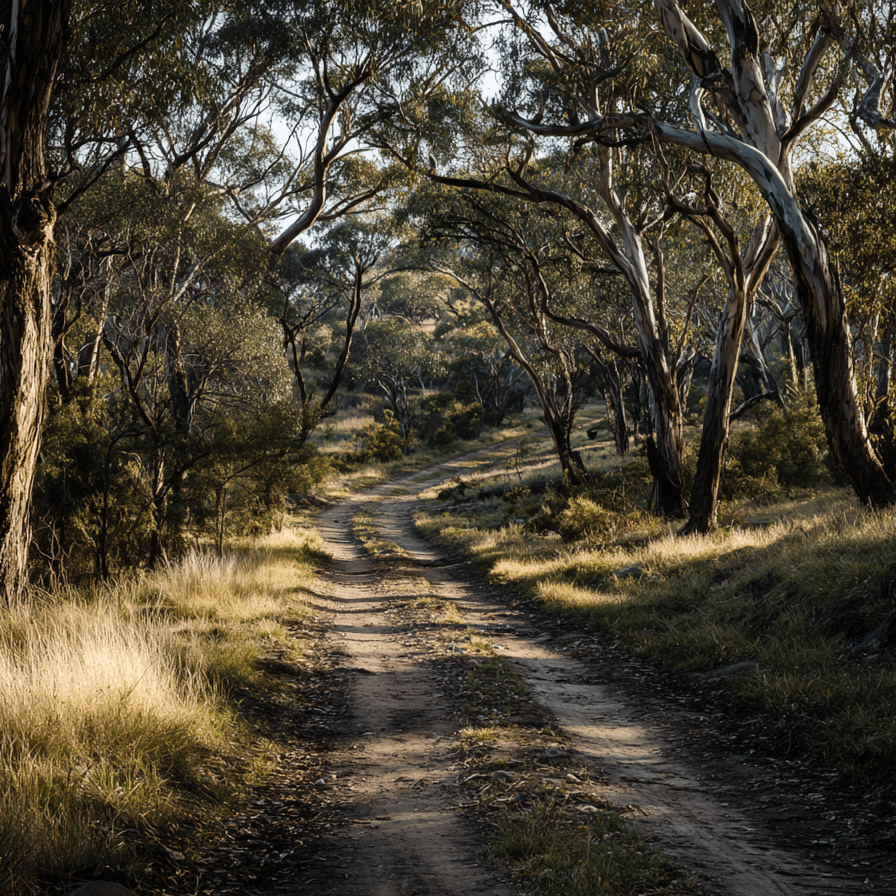
Tea-tree & wattle regrowth
Scrub that fills in quickly after rain. Creates fire hazards, blocks access tracks, and competes with pasture.
Gorse
Spiky, invasive, spreads aggressively, and is a pain to deal with once established.
Bracken
Not always harmful, but when it spreads unchecked it smothers pasture and makes fence lines a nightmare.
All of this can be tackled cleanly with mulching.
Why mulching works better than spraying or dozing
1. It removes the vegetation instantly
No waiting for chemicals to work. No repeat spraying for the same patch.
Mulching grinds the plant down on the spot — stalks, canes, and all.
2. It hits the root zone (without ripping the soil apart)
Blackberries, tea-tree, and gorse regrow from tough bases.
Mulching grinds vegetation low, slowing regrowth and making follow-up maintenance way easier.
3. It avoids soil damage from dozers
Dozers and heavy earthmoving:
Rip up topsoil
Cause erosion
Leave deep ruts
Invite weed explosions
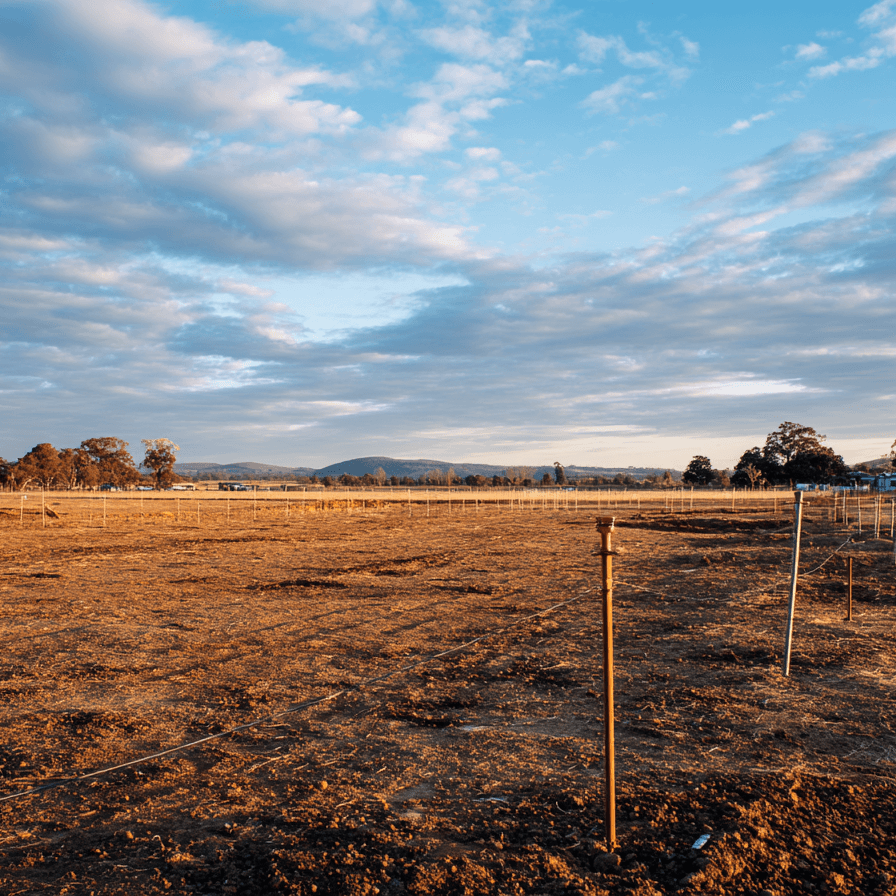
Mulching keeps your soil structure intact while still clearing everything you need gone.
4. It leaves behind a protective mulch layer
That layer helps:
Keep soil moist
Reduce erosion
Suppress some weed growth
Improve nutrients as it breaks down
Perfect for paddocks, fence lines, tracks, and bush blocks.
Seasonal timing: when mulching works best
In Victoria, these months generally give the best results:
Late winter - early spring:
Plants haven’t hardened off yet, making mulching cleaner and quicker.
Autumn:
Good for knocking everything down before regrowth bursts again after the first rains.
Blackberries especially are easiest to mulch before they fruit — the canes are softer, and you get a cleaner finish.
Avoid peak summer if possible — aside from fire risk, everything is dry, stringy, and harder to control.
How often do you need mulching maintenance?
For most rural properties:
Every 12–24 months is enough for scrub, tea-tree and wattle regrowth.
Every 6–18 months for blackberry-prone land, depending on rainfall.
One-off jobs are fine when you just need access tracks, fence lines, or house pads cleaned up.
Think of mulching as ongoing land management, not a one-time fix. Regular passes keep the property usable, safe, and fire-ready.
Keep your rural property under control
Whether it’s blackberries taking over, scrub blocking access, or regrowth sneaking back after a wet season, we can knock it down fast and leave your block clean, safe, and manageable.
Contact us to book a mulching job across Gippsland and regional Victoria.