
Vegetation & Maintenance
Nov 13, 2025
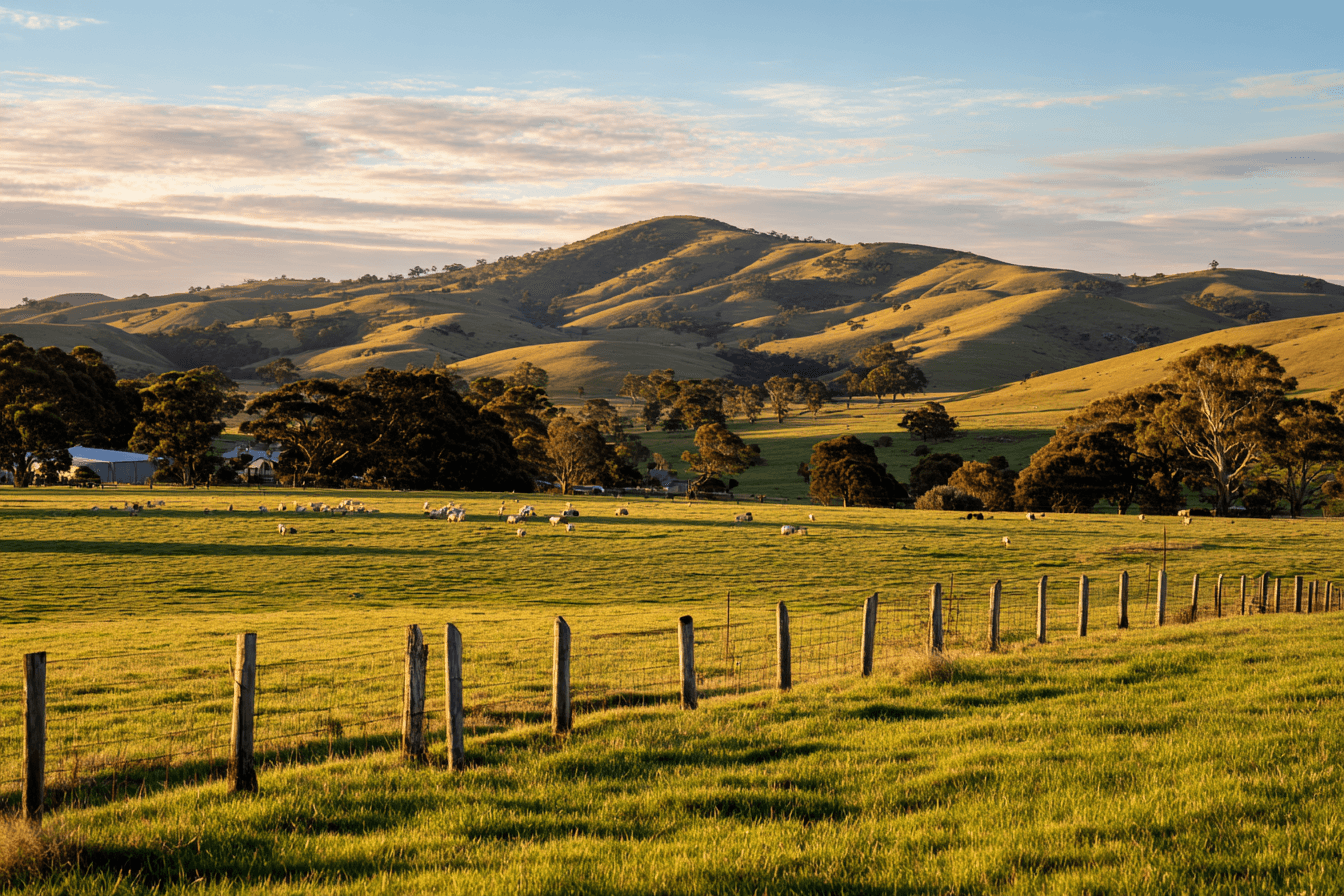
Ready for livestock on Victorian paddocks?
Getting your property ready for livestock? Learn how mulching helps clear paddocks, open fence lines, and create safer grazing areas on Victorian rural blocks.
Vegetation & Maintenance
Nov 13, 2025
Getting your property ready for livestock? Learn how mulching helps clear paddocks, open fence lines, and create safer grazing areas on Victorian rural blocks.
Bringing livestock onto a property — whether it’s cattle, horses, sheep, goats, or all of the above — means one thing: your paddocks need to be safe, open, and easy to manage.
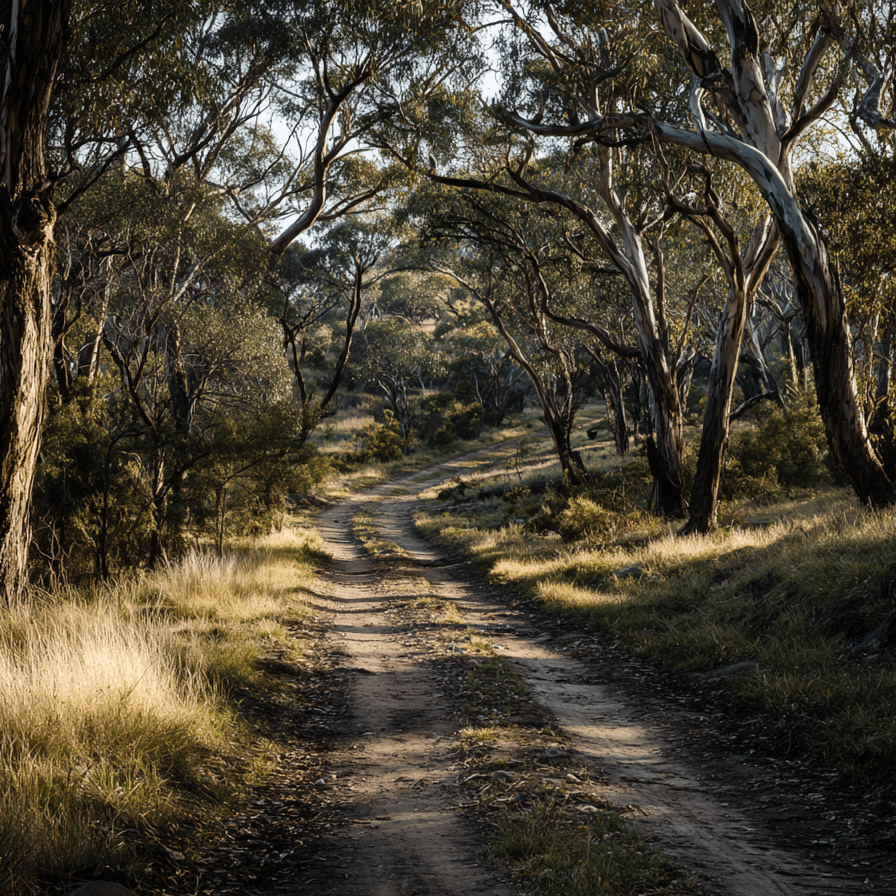
Across Victoria, especially in places like Gippsland, Central Victoria, Neerim, Maffra, and Mansfield, thick scrub and blackberry regrowth can turn good grazing country into a headache fast.
Before you drop stock into a paddock, proper land prep and mulching make a massive difference.
Stock can’t move through it, it hides hazards, and it spreads aggressively after rain.
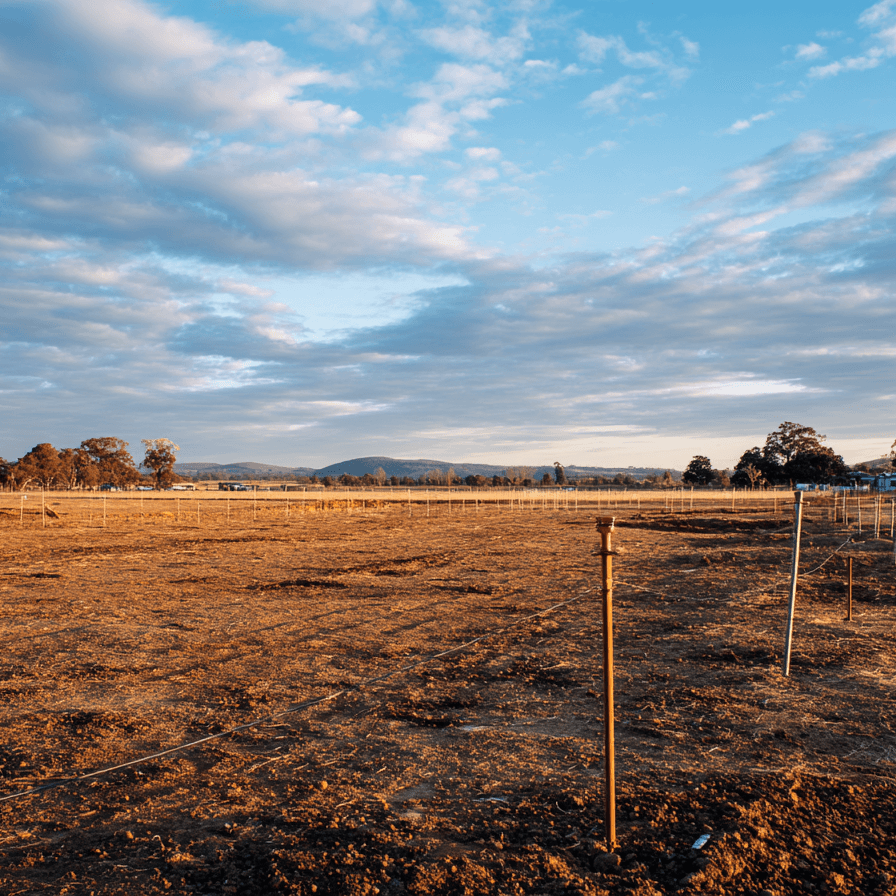
If you can’t see your fence, you can’t see breaks — and livestock will always find the weak spot.
Pumps, creeks, and dams get overgrown quickly, making it hard for stock to reach water safely.
Tea-tree, wattle, and gorse come back hard if they’re only slashed or sprayed.
You think you’ve cleared it… then by next spring it’s back thicker.
Mulching tackles all of this properly.
Mulching breaks down blackberry canes, shrubs, saplings, and thick undergrowth in one pass.
No piles, no burning, no soil damage.
Your paddock becomes:
Open
Walkable
Safe for stock
Easier to inspect
A clean fence line means:
You can spot damage easily
Strainers and posts last longer
Stock can't push through weak spots
Mulching creates a clear strip on both sides of the fence — something slashing can’t achieve properly when the scrub is dense.
Mulching removes low shrubs and hidden hazards, making it safer for:
Horses (who spook easily)
Cattle and calves
Working dogs
Machinery accessing the paddock
Clear paddocks = fewer vet bills and fewer “where did the cows go?” moments.
If you're dividing paddocks, adding a new track, or setting up rotational grazing, mulching gives you a clean blank canvas to build on.
Dozers rip the ground up.
Spraying leaves dead material everywhere, and it doesn’t solve the structural problem.
Mulching:
Keeps roots intact
Reduces erosion
Leaves a protective mulch layer
Slows regrowth over time
Perfect for rolling hills, soft ground, and heavily vegetated areas.
For most Victorian blocks:
Mulch every 12–18 months to keep regrowth under control
Fence lines every 6–12 months depending on rainfall
Blackberry-prone areas may need seasonal attention
A little maintenance prevents major rebuilds later.
Whether you're setting up your first paddock or reclaiming a block that’s been left alone for too long, mulching is the easiest way to open the land up and get it safe for stock.
Contact us for livestock paddock prep, fence line clearing, and regrowth mulching across Gippsland and regional Victoria.