
Access Tracks & Usability
Nov 10, 2025
Tough tracks made easy for Victorian properties
Advanced virtual collaboration tools (VR meetings, digital whiteboards). No-code/low-code customization for tailored workflows.
Access Tracks & Usability
Nov 10, 2025
Advanced virtual collaboration tools (VR meetings, digital whiteboards). No-code/low-code customization for tailored workflows.
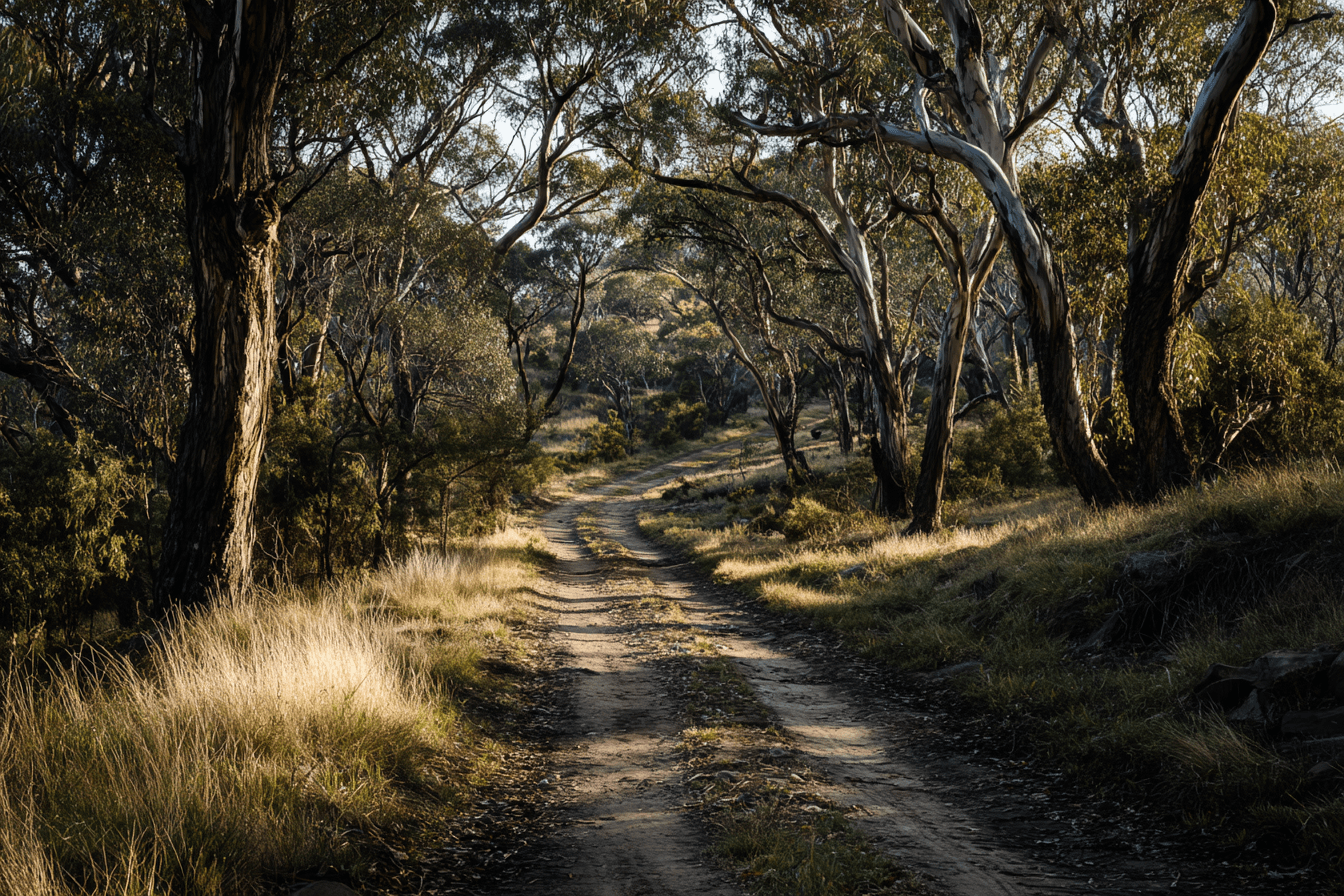
If you live on a rural block in Victoria, you already know the story: one decent rain and your driveway turns into porridge, the track to the shed disappears under scrub, or you can’t get a ute through without scraping both sides on tea-tree.
Access tracks cop a beating in this state — especially across Gippsland clay, steep country, and bush blocks that grow back fast.
Good news: you can fix most of these issues with proper land prep and mulching before you gravel, grade, or widen a track.
Here’s how to get a driveway or access route that actually holds up.
In winter it’s bog-city.
In summer it sets like rock.
Both make tracks hard to maintain without a clean, prepped base.
Tea-tree, wattle, blackberry and fern can take over in a single season, especially in wetter parts of VIC.
Once it closes in, machinery can’t even get through to fix the track.
Most rural tracks don’t fail from driving — they fail from water.
Pooling, side run-off and deep ruts all point to one thing: the land wasn’t shaped or cleared properly before the track went in.
A lot of older tracks were “just pushed through” years ago. Under the surface?
Old fence wire, half-buried logs, stumps, rocks, you name it.
Mulching helps you see exactly what’s going on under the scrub.
Mulching cuts through everything — blackberry, saplings, scrub, and thick regrowth — leaving a clean, wide path that machinery can safely use.
If your driveway looks more like a tunnel than a track, mulching is the quickest fix.
A common mistake is dumping gravel on top of long grass and hoping for the best.
It never lasts.
Mulching clears:
Vegetation
Hidden debris
Low branches
Small stumps
Blackberries and bracken
This gives you a solid, stable foundation for gravel, crowning, or grading work.
Once the scrub is cleared, you can finally see:
Where water is running
Where it pools
Which sides need shaping or crowning
Which edges need widening
A mulched track is easier to maintain because you actually understand the land around it.
Unlike dozers, mulching doesn’t tear the ground to pieces.
It keeps your soil structure intact — especially important in steep hilly areas of Gippsland, Neerim, Mirboo North, and Central Victoria.
Water cuts straight across them.
Widening with mulching and reshaping the corner stops rutting.
Ruts appear fast on drops when scrub pushes water onto the track.
Mulch the edges and reshape side drains to give water somewhere else to go.
If it’s shady and overgrown, it stays wet.
Mulching opens it to airflow and sunlight so the track dries out properly before gravel goes down.
Branches and regrowth narrow the track until you can barely get a trailer in.
A mulching pass opens it right up.
Mulch regrowth before winter
Clear drains and edges
Widen tight sections
Avoid heavy machinery
Take note of where water collects
Mulch again if needed
Shape or grade based on winter observations
Prep for gravel or resurfacing
Maintain fire-safe clearances along tracks
Keep regrowth low
Whether your track just needs widening, a full clean-up, or a fresh start, mulching is one of the fastest and cleanest ways to get it ready for long-term use.
Contact us for access track or driveway mulching across Gippsland and regional Victoria.
We’ll help you open things up, fix problem areas, and build tracks that actually last.